Retailers are trendsetters One of the earliest indicators of an area on the rise is the influx of independent retailers. New boutiques, cafes, and niche food stores signal a neighborhood with increasing disposable income. Major brands also spend heavily on market research before choosing locations, so keep an eye on them. Explore local business directories or apps like Yelp to spot these early movers.
Demographics A growing population of young professionals in their 20s and 30s often points to an up-and-coming area. They attract new retailers, cafes, and tech startups, transforming a neighborhood into a lively, desirable place to live. Check census data or local surveys to understand the demographic shifts.
Transport Proximity to transport is key to long-term property value. Areas near major train stations, bus routes, or planned infrastructure projects are usually in high demand. Look beyond well-established hubs—emerging areas just a bit further down the line can offer significant savings and growth potential.
Demand How quickly homes are selling in an area is a great indicator of current demand. If properties are snatched up quickly, it's a sign of a hot market. Use online tools to monitor how long properties are staying on the market in your chosen area.
Developments Don’t just look at what’s already there; find out what’s coming. Planned new transport links, schools, or shopping centers can transform a neighborhood’s appeal and value. Research city development plans and track new construction projects to stay ahead of the game.
Clutter Clutter is not only distracting, but it could indicate that the property does not have adequate storage. Creating a clutter-free, minimalistic environment will help buyers visualize themselves living in your home. Additionally, too much furniture can make a property seem a lot smaller than it is. It can be a good idea to declutter before a house move to ensure your possessions are organised when unpacking your next home, and it has the added bonus of making your current property look even more sleek.
Smells No matter how pleasant your home appears, persistent odours such as the smell of pets, cigarettes, or pungent food can be detrimental when it comes to selling your property. It’s better to be safe than sorry, so we suggest opening your windows to air out your property before a viewing and use air freshener or light a candle to ensure your home doesn’t smell unpleasant.
An untidy exterior Overgrown, unkempt gardens are a big no-no. Ensure the front of your property is clutter-free, and you could add some hanging baskets or a stylish doormat to your porch to showcase your home in the best light from the moment a potential buyer arrives. Take the time to tend to your garden, ensuring the grass is well-kept and the weeds are pulled out.
Noise Most people expect their home to be a place of peace and tranquility. It may not always be preventable, but there are steps you can take to reduce unwanted noise from your property. If sounds such as traffic are unavoidable, ask for your viewings to take place outside of rush hour. If you have the budget to do so, this might be the perfect time to upgrade your windows with high-quality glazing ahead of the move.
No natural light Light and warmth are two of the most important factors to attract a buyer for your home, especially in the colder months of the year. Resolving this issue can be simple. Ensuring the room is well lit, whether that be naturally or with staged lighting is quite simple to fix. Make sure the curtains are open and remove any net curtains.
Bad décor Avoid controversial or quirky décor in your home as it is not to everyone’s taste. What you think is retro, others may consider dated. Bold colours and patterns can turn off a prospective buyer, as it is important for them to see themselves living there and décor plays a huge part in this.
Nightmare neighbours Nobody enjoys noisy or messy neighbours, especially not a potential buyer. This is something you cannot change, but it is something you can manage. Whether their garden hasn’t been cleaned in years, or their pet dogs incessantly bark, get to know your neighbour and perhaps they may be able to help. If all else fails, organising viewings for when they are not home might be beneficial, too.
Poor presentation Poor attention to detail such as: flaking paint on soffits, grubby kitchen units, tatty net curtains, unemptied ashtrays and nicotine stained walls are taken into consideration when viewing a property. Small and affordable fixes such as: freshening up the paint work, or having your home professionally cleaned will make a world of difference and worth it in the long run.
An unexpected problem There is nothing worse for a viewer than turning up to find there is a significant issue with a property which they were not aware of such as a structural defect, a problem with something in the neighbourhood or compromised accommodation. Speak to your agent about maintaining compliance with Consumer Protection Regulations, as this will allow viewers to be more trusting and willing to discuss the issues and the available solutions.
An overzealous vendor It is common for a vendor to want to take part in the viewing or show off their DIY aspects of the property. However, vendors being present at viewings may not always be a good thing. Take a step back and let your agent do the work, it is their job after all and you will thank them later.
Add warmth underfoot Cold feet can offset any amount of warm blankets and cosy clothes, so make use of large, fluffy rugs in strategic spots around the home. Whether it’s to protect bare feet from tiles or to break up an expansive room with a pop of colour, opt for large area rugs that cover plenty of surface area to completely transform your room.
Style up a bookshelf Putting your favourite books on display is a cost-effective way to cosy up your home. No matter what aesthetic you’re going for, match up your book colours to the theme and personalise with a few pieces of décor relating to the books, a cosy candle and perhaps a string of fairy lights.
Accentuate the fireplace Now that the fireplace is back in use, draw your guest’s attention to the cracking flames by styling the mantle area. Consider things like ornate vases, seasonal displays, and outdoor foliage to really bring the outdoors in. Finding pieces that coordinate with the rest of the room will inject some personality into your space.
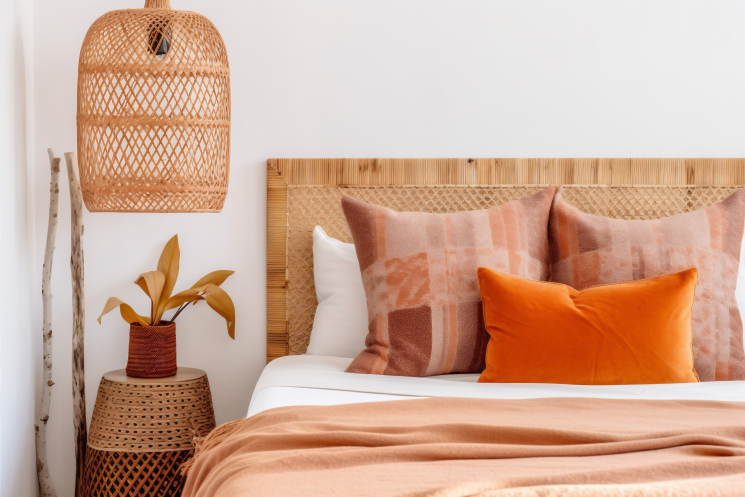
Choose a rich colour palette For a warm but versatile colour scheme, focus on rich and nuanced tones like earthy coral and burnt sienna. Autumnal colours lend both sophistication and warmth to a home, and they won’t feel out of place come summer if used as accents.
Enticing scents The right scent can make you feel relaxed, calm, and right at home. This season is well-known for hosting some of the most popular scents on the market; fall in love with ginger, apples, cinnamon, cranberry, pecan and many more. To evoke feelings of cosiness, choose candles that are made with natural wax and essential oils and avoid coloured candles that are often made with toxic pigments.
Keep the heat in Tactful design is important for keeping your home warm in the winter. For example, you could rearrange your furniture so that radiators aren’t been trapped, and heat is able to spread more evenly around the room. Double and triple glazing is also a great way to tackle the draughts and cut them off at the source, while also saving some of the energy and money it takes to heat up your home
Get your finances in order It’s important that you get your finances in order as your credit score will have an impact on your mortgage options. Make sure you pay all your bills on time and avoid making any bigger purchases around that time. Speak to a professional to get advice about how much you can afford. Don’t forget that there are lots of other costs attached to buying a property, such as solicitor’s fees, stamp duty and home insurance. When these all add up, you might reconsider the price range of properties you’re viewing.
Take the time to decide what you want Take time to view different properties and create a list of what you want your new home to include in the process. Divide your wish list into must-haves and things you can compromise on. This will help you to avoid making hasty decisions and get you thinking in detail about your ideal home. Be realistic though, and ensure your list is appropriate to your budget.
Get to know your local agents A good estate agent should be well-informed and able to answer questions not only about the property but also the area you are moving into. Cast your net wide and visit a number of agents in the town. Make sure you meet them face-to-face and explain in detail what your requirements are - this will make them remember you and think of you when a suitable property comes on the market. Also be proactive and keep an eye on newly listed properties on their website and different online portals as great homes tend to get snapped up quickly.
Be flexible Whilst it’s good to have a list of do’s and don’ts, it’s important to remain flexible. You could miss out on a perfectly suitable home because it’s located three miles out of your desired area or the bedroom doesn’t have a walk-in wardrobe. Be open-minded when viewing different properties and think outside the box – with a little creativity you can do some wonderful things with the décor of a house or the look of a garden.
Are you willing to invest in renovations? Unless you’re specifically looking for a project, buying a property that needs renovation might not be the right step for you. Purchasing a fixer-upper can be a risky investment and you could end up with a money pit. If you do decide to buy a home in need of work, it’s advised that you get a thorough inspection to get a realistic overview of the property’s conditions. If possible, opt for an examination after a rainy day that will assess the state of the foundations and basement.
Learn more about your prospective home So you’ve found your dream home and you’re eager to make an offer. Before you progress to the next step, make sure you learn as much as you can about your prospective new home. Find out how long it has been on the market, ask to see the utility bills and hire a surveyor to inspect the condition of the property. It’s a good idea to get to know the area as well to get a feel for it. Is there a convenience store nearby? What schools are in the catchment area? What is your local pub or café like? These are all important aspects of day to day life that might influence your decision to make an offer.
Get a good solicitor on board As a first-time buyer, you will want to search for an experienced, trustworthy solicitor to manage Stamp Duty charges, deal with Land Registry and draw up and explain contracts. Avoid using the same solicitor as the sellers to minimise the possibility of a conflict.
Don't be afraid to negotiate The price of the property is rarely set in stone and the vendors are often willing to negotiate. If the property needs some work or your surveyor revealed any defects, use this as an argument to agree a more affordable price. You can use your estate agent to do this for you, however, as a buyer you will be the one making the final decision and should be in control at all times.
Don’t feel pressured Buying a house is possibly one of the biggest purchases of your life so it’s important you take time when making important decisions. It can sometimes feel like you’re under a lot of pressure to buy straight away but if you don’t need to move immediately then shop around. It’s likely you will be living in the house for years to come and it’s essential that you feel comfortable and happy in your surroundings.
Be patient The whole process might take longer than you originally anticipate. It’s a good idea to focus solely on house hunting so you don’t overwhelm yourself. Juggling other big decisions, such as organising a wedding or planning to have a baby, whilst buying your first home can put a huge strain on your life and take all the fun out of the process. Buying your very first home is a big step in every person’s life and should you be remembered fondly.
Brown and gold The natural pairing of the golden hues of autumnal leaves and the earthy tones of tree bark is a great look for your home. Pair natural wood textures with golden embellishments to offset the rustic look and add a touch of elegance.
Embrace imperfection Autumn is no season for polished, sleek materials. It’s time to get cosy with natural textures like cane, wicker, and rattan. Balance out the roughness with some fluffy blankets and soft pillows and lay down a woven rug to really bring together the farmhouse theme.
Door decor An autumnal wreath is the perfect way to welcome guests into your cosy home. There’s no reason why festive wreaths should be confined to Christmas. Use faux outdoor foliage and a hot glue to create your own.
Indoor evergreens While potted plants and flowers are synonymous with summer, it might make even more sense to surround yourself with indoor plants over the colder months. Incorporating vases of fresh plants can help ease the transition into the colder months, while also maintaining the brightness and freshness associated with summer.
Bring out the pumpkins and Jack-O’-lanterns Make the most out of pumpkin season. For a farmhouse style, layer up on pumpkins of varying shapes, sizes, and colours to create lovely centrepieces and accents. If you’re a fan of Halloween, it’s time to get carving out some fun faces and patterns to light up during those cosy, ambient evenings.
Decorate open shelving with foliage Add a touch of seasonal joy to your bookshelves with outdoor-inspired trinkets and twinkling fairy lights. Scented pinecones, dried flowers, and miniature pumpkins make your home look and smell great. For a natural centrepiece, fill a wooden bowl with seasonal fruits like apples, pears, or clementines.
Cosy textures and fabrics To create an inviting and comfortable space which mimics nature, experiment with different textures and fabrics. Opt for plush, velvety cushions, and soft knitted blankets to add warmth to your sofas and chairs. Consider layering rugs with different textures, such as wool or faux fur to create a welcoming and luxurious feel underfoot.
Ornamental grasses and seedheads One of the prevailing trends this autumn is the use of ornamental grasses and seedheads. These textured elements add a touch of wild beauty to your garden while providing visual interest even after the flowers have faded. Species like Miscanthus, Pennisetum, and Sedum will sway gracefully in the autumn breeze, casting a captivating silhouette against the changing foliage.
Sustainable gardening practices Sustainability remains a top priority in gardening trends. Embrace eco-friendly practices by composting fallen leaves to enrich your soil, reducing water usage with smart irrigation systems, and opting for natural pesticides. By embracing sustainability, you not only contribute to the health of your garden but also play a part in conserving the environment.
Autumn bulbs for spring beauty Don't just think about the present, plan for the future by planting autumn bulbs for a stunning spring display. Daffodils, tulips, and crocuses planted in autumn will surprise you with their vibrant colours when the cold days of winter finally give way to the warmth of spring.
Welcoming nature ‘Rewilding’ is a viral movement which focuses on increasing biodiversity in your garden and restoring natural processes. You can achieve this by throwing out your pesticides and fertilisers, installing feeders and nest boxes, and planting insect-friendly flowers such as Digitalis, Sunflowers and French marigolds.
Add seasonal touches While the natural reds, golds and magnolias are certain to grace your garden in the coming weeks, you can inject some extra autumnal charm using a few statement accessories. Cushions, tablecloths, throws and bunting all add a little extra colour and character while also setting the mood for cosy evenings around the fire pit.
Vertical gardens and climbing plants Make the most of your garden's vertical space by incorporating climbing plants and vertical garden features. Consider training ivy or clematis up trellises or walls. This not only adds a touch of elegance to your garden but also maximises your planting area, especially if you’re working with a small space.
Prep for cooler weather As temperatures drop, potential buyers will appreciate a home that's well-prepared for autumn's chill. Make sure your heating system is functioning optimally and consider getting the fireplace going if you have one. Due to the lack of use over the past few months, your boiler may benefit from a service or a few test runs as the weather starts to cool down. A cosy and warm interior will make your property feel like a sanctuary from the bitter outdoors, so make sure everything is up and running before viewings.
Warm and inviting interiors Autumn is synonymous with cosiness, so make sure your interiors reflect that. Consider adding warm, earthy tones to your decor and perhaps some fluffy throw blankets or cushions. The wind might be bracing, but the sun has yet to hide away, so open curtains to allow the soft autumn light to filter in, creating a welcoming and inviting atmosphere.
Flexibility for viewing Days are shorter in autumn, so it’s important to be flexible with your viewing times. Try to accommodate potential buyers during the daylight hours to ensure they can fully appreciate the beauty of your home both inside and outside.
Autumn-themed staging Embrace the beauty of the season by incorporating some autumn-themed decorations. A charming wreath on the front door, a bowl of seasonal fruits or dried foliage in the kitchen, or a rustic centrepiece on the dining table can add a touch of autumnal character without overwhelming the space.
Professional photography Capturing the essence of your home during autumn requires skilled photography. The golden hues of falling leaves and the soft sunlight can create truly enchanting images of your home and its surroundings. Hiring a professional photographer can help ensure your property's autumnal beauty shines through in marketing materials.
Highlight outdoor spaces Due to the season’s various atmospheric backdrops, autumn is a great time to showcase any outdoor spaces your property might have. If you have a patio, balcony, or garden, make sure they are well-maintained and accessorised to highlight their potential. Consider setting up an outdoor seating area with warm blankets, lanterns, and pillows to help buyers imagine the possibilities.
Negotiation and closing As the selling season continues into autumn, motivated buyers may be more inclined to make competitive offers, especially as Christmas draws closer. The start of the new school year and the imminency of upcoming holidays have many buyers flooding to the market with a sense of urgency. Work closely with your estate agent to negotiate and close the deal effectively.
DIY wall art Not able to wallpaper your home? Not only is wall art an affordable way to add personality, colour and style to a room, but you can also change the colour scheme as often as you want. There are a range of designs, styles and prints available online. Alternatively, you could even create some artwork yourself by painting, sketching or printing your own personal photography. Be brave and create a gallery wall. Lay your artwork on the floor to get an idea of the arrangement you want. Always check with your landlord before nailing into a wall. If they are reluctant for you to do so, opt for hanging strips instead as they will be much more effective than blue tack and won't leave any permanent marks.
Mood lighting Experimenting with lighting can alter the ambience of any room. If you have any old fairy lights hanging about, display them across your headboard, style them in empty mason jars, or use them to decorate a shelving unit. Candles are also a great way to revamp any room; they are cost-effective, complement homewares and smell fantastic. You may find that simply lighting a candle can instantly relax you and reduce stress. If candles aren't for you, consider diffusers or essential oil room spray instead. If you have outside space such as a patio or balcony, consider outdoor lights to enhance the space.
Colourful crockery Investing in a vibrant crockery or glassware collection can transform mealtime, and if you are unable to choose your kitchen decor, this is a great way to accessorize the room to suit your style. If you're looking to get creative, you could purchase your own paint kit to decorate plain crockery yourself. Why store your stylish pots, pans and utensils in a cabinet when you can show them off? Use a hanging rack to display your favourite cookware.
Trendy textiles Rugs breathe necessary warmth into any room, softening the environment and pulling your colour scheme together. Similarly, small changes like swapping the curtains or adding cushions and throws to a space will instantly personalise it.
Mirrors A well-places mirror can be a powerful asset to any room. Mirrors are known for making a space seem larger and more open, but can also be used to distribute light, emphasize colour or artwork on adjacent walls, and even liven up rooms that don't have windows. Tip: If your landlord is not happy with nails being places into walls, freestanding mirrors work just as well.
Bathroom hacks If your bathroom is looking a little worn, a new shower curtain, bathmat and fresh towels can immediately spruce up the space. Pick a fun colour scheme to add more vibrancy to the room, and consider storage baskets for your toiletries.
Houseplants House plants can not only be used to decorate any room, but also come with health benefits by cleaning the air and can boost healing. For a low maintenance option, choose succulents as they require less care and less frequent watering. Spider plants can help with poor air quality within a home, and don't require lots of sun, whereas lavender can reduce stress and can aid a better night's sleep. Snake plants remove toxins from the air, and rosemary can help improve concentration and memory.
Fresh paint If your walls are looking grubby, particularly around light switches and plugs, ask your landlord if you can repaint the rooms. Most landlords won't mind, especially if the paint is a neutral shade like white or cream. This will instantly transform the room, making it appear cleaner and sharper, and will give you a project to spend your weekend on. If your landlord is happy for you to paint your walls as you please, get creative and paint a feature wall to make the room really pop.
Make your property as student-friendly as possible Placing decent desks with a good chair in each room and having enough bathrooms so there are no queues for the shower are welcome sights to students. You want your tenants to feel at home but not like they have moved back home. So, remove clutter and bric-a-brac that may get broken. Presenting a clean and easy-to-maintain home is easier if you choose darker decorating colours and a low-maintenance garden. Easy-maintenance laminate flooring is also easier to keep clean but will keep your property looking fresh.
Create spacious communal areas Lots of cupboard space for food and drink with well-sized fridges and freezers will help your student tenants live together harmoniously. Sitting rooms should be sparse and functional with plenty of floor space but with adequate comfortable seating. This will provide good entertainment and chilling spaces that encourage socialising, which is important to students. Bedrooms should also make good use of space and be nicely decorated but uncluttered to make way for your tenant’s belongings.
Price your property correctly There will be some bedrooms in the house or apartment that are bigger than others, so charge accordingly if you’re letting the property as an HMO. While you want to cover the cost of your investment as a landlord, it’s important to price your property correctly. Charging too much rent might dissuade potential tenants. By the same token, you do not want to undercharge for your property, so doing a bit of research to see what other similar properties are being let for pays.
The furnished vs un-furnished debate Student homes tend to be let fully furnished and with bills included. You don’t want your property to stand out for the wrong reasons. Allowing tenants to take care of the bills can lead to disputes and this will only complicate matters. If you have a particularly nice flat or compact home, think about making a bit more effort in the decorating department. Nicer homes tend to attract decent tenants who may take better care of your property. Larger properties with multiple rooms may be more open to less tender love and care. So, think about who your target tenants are.
Market your property with a professional When you have taken all these steps and more, you want to let your potential tenants know. Whether you use social media, the university’s accommodation service, or the services of a letting agent to handle everything for you, it’s important to shout about all your property’s good features. From its proximity to the campus, nightlife, to levels of security, while clearly defining it as a student house, because most students want to share with other students. If your property is fully managed by a letting agent, they could take care of maintenance, tenant referencing, and rent collection.
Keep your home tidy This may seem obvious, but mess and clutter can make even the largest of rooms feel smaller. The good news, is that smaller rooms are usually easy to maintain, so there’s no need to spend hours tidying to give the impression of more space.
Use a light colour palette It’s no secret that painting walls in lighter shades can help to optically enlarge rooms. Lighter walls can maximize any natural light in the home. However, if you are keen to go bold, consider an accent wall to add a pop of colour to the space without overpowering the scale of the room.
Create focal points Arrange your décor with a few focal points to draw the eye around the room. This can help you gain a whole new perspective and highlight key areas of the space. In the bedroom, the focal point will be your bed, whilst in the dining room, this will be the table. However, in other rooms of your home, you can get creative. For example, you might want to create a reading nook near a statement fireplace, or perhaps a social area with a bar cart, record player and wall art.
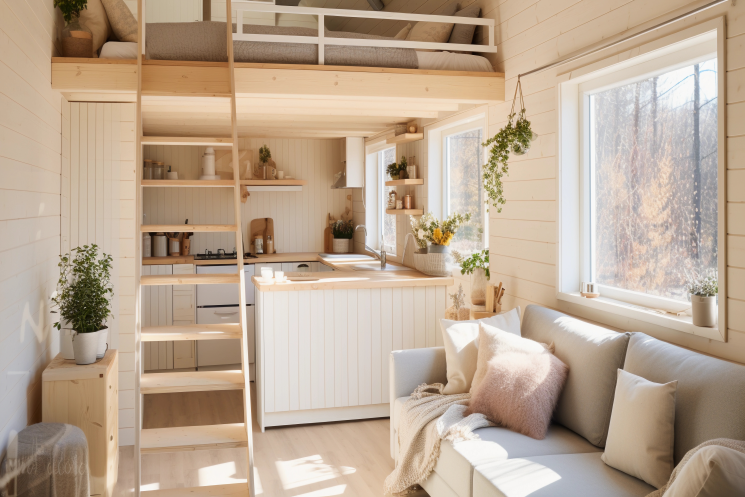
Make use of vertical space There are a wide range of innovative ideas for creative storage solutions using walls, doors and ceiling room. Think outside of the box and utilise every bit of space available. Consider a bookshelf that reaches the ceiling, or ladder shelves for vertical storage solutions.
Invest in an expandable dining table A quality expandable dining table is a must for anyone with a smaller space and a love for entertaining. This will give your dining room or kitchen more space day to day whilst accommodating for hosting friends and family.
Use of mirrors Cleverly placed mirrors will make your room look larger by reflecting both natural and artificial light to give the impression of more space. Consider placing a mirror to reflect the outdoors to really open up a room. You may also want to consider mirrored furniture such as wardrobes, coffee tables and dressing tables.
You probably already have a few group chats with friends, which is perfect for informal and instant messaging. Set this up for the most important people in your life so you can send a quick question, keep each other updated and easily communicate and check in on each other. Having an ongoing dialogue makes keeping in touch natural. Group chats can be made on all sorts of platforms, with Whatsapp, iMessage and Facebook Messenger being the most popular.
Schedule a video call
Having a set time on specific days and times can ensure you’re keeping in touch with those who matter most to you and give you a date to look forward to. As humans, we need face to face communication and video calls mean you can talk to someone as if they’re in the room with you.
If you are home alone for long periods or have a family member who is, set regular dates to video call and make each other’s day. You could arrange for the grandparents to keep the children occupied with a video call and help their relationship grow.
Share photos and videos to private groups
Online apps can allow groups to share online photo albums, without having to post them to social media. Create a group with your family and upload all the latest photos and videos for them to print themselves and enjoy at their leisure.
The Google Photos app or Amazon Photos allow you to upload photos from all devices and can be shared through a private link or with selected users on the platforms.
Private groups on social platforms
There are many ways to share photos and videos with a chosen group of people, without having to post it to everyone on social media. Private groups can bring you closer with your family and social media platforms can make it easy and fun.
Instagram allows you to create a ‘close friends’ list to share Stories with a chosen list of people. On Facebook, anyone can create a closed group for approved members only, where you can share statuses, images, videos, GIFs and more. Snapchat Groups is a tool for groups of up to 16 people to instant message with photos and videos using fun filters or video chat.
Social media platforms for families
It makes sense to have a platform dedicated to communicating with the most important people in your life. Facebook isn’t suitable for children under the age of 18, but family apps have a similar layout and functionality to Facebook, whilst providing additional security and privacy to communicate in a chosen group.
Cocoon is a social network for families, created by former Facebook employees, allowing loved ones to share media, statuses and instant messages. You can find lots of family social media platforms online, find one that works best for you.
Face-to-face social networks
Get involved with face-to-face social networks to feel closer to your friends and family. The app, House Party, allows up to eight users to join a video chat using a phone or desktop, for a virtual party. You can see which friends are online and can choose to video call with a split screen where you can invite multiple people to chat or play games.
Snapchat allows groups of up to 16 people to instant message, send photos and videos with fun filters or video chat with multiple people. Find a video app that can give you precious face time with your friends in a fun way.
Start blogging Blogging about your life can be a great way for long-distance family and friends to catch up with you. You can include topics, such as your latest trips, your favourite recipes and places to go, or your thoughts on various topics. It can be a great way for all your loved ones to feel connected to you in one post.
Website makers, such as Wix or Wordpress, provide hundreds of templates that you can customise, which are ideal for blogs.
Where do you want to live? A tried-and-true method for finding a location to live in is to explore different towns and cities by driving or walking through these neighbourhoods. Discovering the right location will also depend on your work and the daily commutes you will be taking, so compare the differences.
What price are you willing to spend on rent?
Establish a budget and remember to stay within it, as budgeting for rent is one of the most important points to keep in mind. You don’t want to obsess over a property and realise you can’t afford it. You also want to take into account the one-time costs of moving home, such as the deposit, application fees, utility costs, and moving costs.
How many bedrooms and bathrooms do you want? Identify who you will be sharing your home with, whether it is your family, a partner, or housemates. This can help you see how many bedrooms and bathrooms are required, ensuring you have all the necessary facilities.
Have you consulted with an expert agent?
By contacting and consulting with a local expert agent, they can help you identify properties that suit your criteria. They can provide you with local market insight, offer strategies for finding the right home, or even present you with listings before they hit the market. If you’re not familiar with the rental market or chosen area, hiring a local estate agent can really boost your chances of finding the right home for you. They will know the ins and outs of buying and renting, with plenty of contacts on hand.
Have you asked all your questions and queries? When finding the perfect rental property, you need to make sure it is perfect for you. You don’t want to sign the lease agreement and realise it’s not the home you thought. Is the home pet-friendly? Are the utilities included? Asking questions can reveal a lot about the landlord and how they may interact with you in the future. By using a letting agent to help you discover the right home, they can increase communication and guarantee you a positive renting journey. The more questions you ask, the fewer surprises you will encounter after signing the lease agreement.